Source Weather Resistant Fiberglass Sofa Table for Cafe, Bar, and Restaurant
Find 30 Weather Resistant Fiberglass Sofa Table options for cafe, bar, and restaurant settings. Compare customized sizes, metal and wood frame materials, and modern styles with 5-year warranties and fast delivery times from China suppliers.
Key considerations
Products List


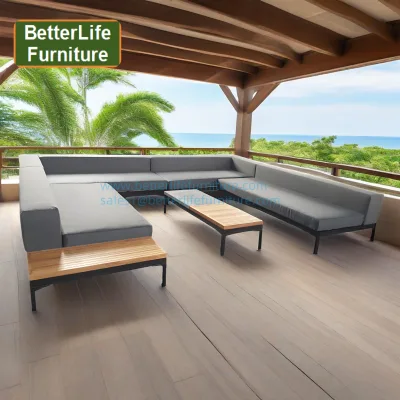


Modern Simple Sofa Side Table with Storage for Living Room Balcony Use
$12.26 - $13.15
MOQ: 500 Pieces


Garden Outdoor Furniture Hot Sale Rope Sofa Set with Coffee Table Waterproof Cushions
$65.00 - $465.00
MOQ: 10 Sets

Modern Hotel Outdoor Furniture Set Casual Waterproof Fabric Sofa with Coffee Table
$168.00 - $670.00
MOQ: 1 Sets
Comprehensive Sourcing Guide
Weather Resistant Fiberglass Sofa Table Sourcing Guide
Sourcing weather-resistant fiberglass sofa tables requires a disciplined approach to material verification and structural integrity assessment. Fiberglass-reinforced polymer (FRP) offers distinct advantages for outdoor furniture, including high tensile strength, resistance to corrosion, and the ability to be molded into complex, modern designs that withstand environmental stress. Buyers must prioritize suppliers who demonstrate expertise in resin formulation and molding techniques, as these factors directly influence the longevity of the furniture in varying climates. The decision to specify fiberglass over traditional materials like wood or standard metal hinges on the need for low maintenance, design flexibility, and consistent performance under UV exposure and moisture.
This guide provides a structured framework for evaluating suppliers and products in this category. It focuses on verifying technical specifications, understanding commercial terms, and establishing quality control protocols. By adhering to these evidence-based procurement steps, buyers can mitigate risks associated with material degradation, structural failure, and non-compliance with safety standards. The following sections detail the critical attributes to inspect, the documentation required for validation, and the long-term checks necessary to ensure a successful sourcing partnership.
Product Scope and Observed Listing Signals
The current market landscape for outdoor furniture includes a diverse range of materials, with fiberglass often competing against metal, wood, and synthetic rattan options. Observed listing signals indicate that modern styles are prevalent, with many products featuring customized dimensions and armrest configurations. Buyers should note that while fiberglass is a primary material for some high-end outdoor sets, other listings may feature metal frames with wood or PE rattan accents. It is crucial to distinguish between pure fiberglass constructions and composite designs to ensure the selected product meets specific aesthetic and durability requirements. The presence of "Customized" attributes suggests that many manufacturers offer OEM and ODM services, allowing for tailored solutions that align with brand identity.
Price and minimum order quantity (MOQ) ranges vary significantly, reflecting the complexity of the molding process and the volume of production. Observed data shows a wide price spectrum, with some items accepting low MOQs as small as one piece, while others require higher volumes for cost-effective production. This variability allows buyers to test market demand with smaller initial orders before committing to large-scale procurement. However, the lead times for customized fiberglass items can extend up to 35 days, necessitating careful planning for inventory management. Buyers should also consider the packaging standards, which typically involve export-grade cartons to protect the fragile yet durable surface during transit.
Technical Specifications to Verify
Verifying the technical specifications of fiberglass sofa tables is essential to ensure structural integrity and aesthetic consistency. Key attributes to inspect include the frame material composition, wall thickness, and surface finish quality. While some listings specify metal or wood frames, fiberglass products should be evaluated for their resin-to-fiber ratio, which determines strength and weight. Buyers must request detailed technical drawings that specify dimensions, such as those observed in standard models like FE-001 or SI-003, to ensure compatibility with existing furniture layouts. The absence of folding mechanisms in many fiberglass designs indicates a focus on permanent, stable structures rather than portable options.
Cushion and accessory options also play a significant role in the overall product specification. Many suppliers offer optional pillows and cushions with varying thicknesses, such as 5cm, 8cm, or 10cm, to enhance comfort. Buyers should verify the fabric’s UV resistance and waterproof capabilities, as these factors impact the longevity of the seating components. Additionally, the standard export packaging and specific model numbers, such as TI-003 or KA-003, should be cross-referenced with the supplier’s catalog to ensure accurate ordering. Attention to these details helps prevent discrepancies between the ordered product and the delivered item, reducing the risk of returns or customer dissatisfaction.
Compliance and Safety Documentation
Compliance with international safety and quality standards is a non-negotiable aspect of sourcing outdoor furniture. Buyers must request documentation that verifies the product’s adherence to relevant regulations, such as TUV, SGS, or BV certifications, which are often cited in supplier listings. These certifications provide assurance that the materials used are free from harmful substances and that the structural integrity has been tested under controlled conditions. While some suppliers may claim ISO9001 or ISO14001 compliance, buyers should verify the validity of these certificates through independent channels to ensure they are current and applicable to the specific product line.
Safety documentation should also include material safety data sheets (MSDS) for the resins and fibers used in the fiberglass construction. These documents provide critical information on the chemical composition, handling precautions, and environmental impact of the materials. Buyers should ensure that the supplier provides clear warranty terms, typically ranging from 2 to 5 years, which reflect confidence in the product’s durability. Understanding the warranty coverage, including what constitutes normal wear and tear versus manufacturing defects, is essential for managing long-term maintenance costs and customer service expectations.
Cost Drivers and Commercial Terms
Understanding the cost drivers associated with fiberglass sofa tables is crucial for accurate budgeting and negotiation. The primary cost factors include the raw material prices for fiberglass and resin, the complexity of the mold design, and the labor intensity of the finishing process. Customized designs, such as those with unique dimensions or specific color finishes, often incur higher tooling and setup costs. Buyers should also consider the impact of packaging and shipping, as fiberglass items can be bulky and require robust protection to prevent damage during transit. The observed price range of $6.25 to $2050 USD highlights the significant variation based on these factors.
Commercial terms, including payment methods, lead times, and return policies, should be clearly defined in the purchase agreement. Fast delivery times, ranging from 7 to 35 days, depend on the order volume and customization level. Buyers should negotiate favorable terms for small MOQs if they are testing new designs, while securing volume discounts for larger orders. It is also important to clarify the responsibilities for customs clearance and import duties, especially when sourcing from regions like Qingdao, Zhejiang, or Guangdong in China. Clear communication of these terms helps avoid unexpected costs and ensures a smooth supply chain operation.
Supplier Qualification and Quality Control
Supplier qualification involves a thorough assessment of the manufacturer’s capabilities, production facilities, and quality control processes. Buyers should verify the supplier’s experience in fiberglass molding, including their portfolio of completed projects and client references. On-site audits or virtual tours can provide insights into the manufacturing environment, ensuring that proper safety and hygiene standards are maintained. The presence of advanced molding equipment and skilled technicians is a strong indicator of the supplier’s ability to produce high-quality, consistent products. Additionally, suppliers with OEM and ODM capabilities demonstrate flexibility and innovation, which can be valuable for custom projects.
Quality control protocols should be established to monitor production at various stages, from raw material inspection to final product testing. Buyers should request samples for initial evaluation, focusing on surface finish, structural stability, and color consistency. Implementing a pre-shipment inspection (PSI) process can help identify and rectify defects before the goods are dispatched. Suppliers who adhere to standard export packaging practices and provide detailed packing lists facilitate easier inventory management and reduce the risk of damage during handling. Establishing a strong relationship with a qualified supplier ensures a reliable supply chain and consistent product quality.
Long-Term Procurement Checks
Long-term procurement success depends on continuous monitoring of supplier performance and product quality. Buyers should establish key performance indicators (KPIs) to track metrics such as on-time delivery, defect rates, and responsiveness to issues. Regular communication with the supplier helps address any emerging challenges promptly and fosters a collaborative partnership. Feedback from end-users regarding the durability and aesthetic appeal of the fiberglass sofa tables should be collected and shared with the supplier to drive continuous improvement. This iterative process ensures that the products remain competitive and meet evolving market demands.
Reviewing warranty claims and maintenance records provides valuable insights into the long-term reliability of the products. Buyers should analyze the frequency and nature of any reported issues to identify potential design or manufacturing flaws. If recurring problems are identified, buyers should work with the supplier to implement corrective actions, such as material upgrades or process adjustments. Additionally, staying informed about industry trends and technological advancements in fiberglass manufacturing can help buyers make informed decisions about future sourcing strategies. By maintaining a proactive approach to supplier management, buyers can ensure sustained value and quality in their outdoor furniture procurement.
FAQs
Can I order a single unit of Weather Resistant Fiberglass Sofa Table?
Some items accept 1 piece as a minimum order quantity. This option allows buyers to test the product without committing to large volumes, though standard orders may require higher quantities.
What is the typical delivery time for these furniture sets?
Fast delivery times range from 7 to 35 days depending on the specific model and customization needs. Manufacturing time can be within 3 days for certain items, but shipping adds to the total duration.
Which warranty periods are available for this outdoor furniture?
Warranty coverage typically spans between 2 to 5 years for these durable sets. Specific terms depend on the manufacturer and the exact product model selected from the available catalog.
How are these sofa tables packaged for international shipping?
Products use standard export packaging or cartons to ensure safety during transit. Some items are packed with craft paper and film to protect the frame and cushions from damage.
Can the dimensions be customized to fit specific spaces?
Yes, the size is fully customized to meet specific requirements. Buyers can request tailored dimensions while maintaining the modern or simple style preferences for their indoor or outdoor environments.
What materials are used for the frame construction?
Frames are constructed from metal or wood depending on the specific model. These materials provide the necessary durability for both indoor and outdoor use while supporting the weather-resistant design.